
When most people hear the word testosterone, they immediately think of men or bodybuilding. But testosterone is not just a male hormone—it is a vital hormone for women’s health as well. In fact, women produce more testosterone than estrogen throughout their lives, and when levels drop too low, it can significantly impact energy, mood, strength, libido, and overall quality of life.
At Peak Performance & Prevention (P3), we often see women—especially in perimenopause and menopause—who are struggling with symptoms of low testosterone but have never had it properly evaluated. These symptoms are frequently dismissed as “normal aging,” stress, or burnout.
In this article, we’ll break down what testosterone does in women, how to recognize low levels, how testing should be done, and what safe, evidence-based options exist for hormone optimization.
What Testosterone Does in Women
Although women have much lower testosterone levels than men, this hormone plays a critical role in everyday health and performance. Testosterone supports:
- Energy and Motivation: Low testosterone is commonly associated with persistent fatigue, reduced drive, and a sense that “everything feels harder than it used to.” Many women notice they no longer have the stamina they once did, even with adequate sleep.
- Libido and Sexual Health: Testosterone is one of the primary drivers of sexual desire in women. Low levels may lead to decreased libido, reduced arousal, or less sexual satisfaction—symptoms that are especially common during perimenopause and menopause.
- Muscle Mass and Strength: Testosterone helps preserve lean muscle and supports strength gains. When levels decline, women may notice loss of muscle tone, difficulty building strength, and increased body fat despite consistent exercise.
- Mood and Cognitive Function: Adequate testosterone supports confidence, mental clarity, and emotional resilience. Low levels have been linked to depressed mood, anxiety, irritability, and brain fog.
- Bone Health and Metabolism: Testosterone works alongside estrogen to support bone density and metabolic health, playing a role in long-term injury prevention and healthy aging.
Signs and Symptoms of Low Testosterone in Women
Symptoms of low testosterone are often subtle and overlap with stress, thyroid issues, or menopause.
Common signs include:
- Low libido or decreased sexual satisfaction
- Chronic fatigue or low motivation
- Difficulty building or maintaining muscle
- Increased body fat or changes in body composition
- Low mood, anxiety, or loss of confidence
- Brain fog or poor concentration
- Reduced exercise tolerance or recovery
Because these symptoms are nonspecific, many women go years without proper evaluation or treatment.
Testing Testosterone: What Actually Matters
Testing testosterone in women is not as simple as ordering a single lab value. At P3, we focus on comprehensive hormone testing to get the full picture.
Total vs Free Testosterone
- Total testosterone measures the total amount circulating in the blood
- Free testosterone measures the biologically active hormone available to tissues
Many women have “normal” total testosterone but low free testosterone, meaning their body cannot effectively use it.
SHBG (Sex Hormone Binding Globulin)
SHBG binds testosterone and reduces how much is available to tissues. High SHBG can cause low free testosterone even when total levels look normal.
Timing Matters
- Testosterone levels fluctuate throughout the day
- Morning testing is typically preferred
- For cycling women, menstrual cycle timing can also affect results
This is why proper lab interpretation—rather than “normal range” lab reports alone—is essential.
Common Causes of Low Testosterone in Women
Low testosterone rarely has just one cause. Common contributors include:
- Perimenopause and Menopause: Ovarian hormone production declines with age, and testosterone often drops years before estrogen does.
- Chronic Stress: Ongoing stress suppresses adrenal hormone production, including testosterone.
- Under-Eating or Restrictive Diets: Very low-calorie diets and chronic dieting—especially common among active women—can suppress hormone production.
- Excessive Cardio or Overtraining: High training volume without adequate recovery can lower testosterone and increase injury risk.
- Medications: Hormonal birth control, corticosteroids, and some antidepressants can negatively affect testosterone levels.
- Elevated SHBG: High SHBG—often driven by genetics, estrogen dominance, or certain medications—can reduce free testosterone availability. Liver health can impact the function of SHBG.
Options for Supporting Healthy Testosterone Levels
- Lifestyle Foundations
For many women, optimizing lifestyle factors is the first and most important step:
- Strength training 2–4 times per week
- Adequate protein and calorie intake
- Prioritizing sleep and stress management
- Avoiding excessive endurance training without time to recover
These strategies are central to our strength and body composition approach at P3.
- Targeted Supplements
Certain supplements may support hormone health indirectly, including:
- Vitamin D
- Zinc
- Magnesium
- Adaptogens (when clinically appropriate)
- Omega-3s/essential fatty acids
Supplements alone rarely correct clinically low testosterone but may enhance overall hormone balance.
- Prescription Testosterone Therapy
For some women—especially those in perimenopause or menopause—low-dose prescription testosterone may be appropriate.
At P3, we evaluate this through:
- Regular lab monitoring
- Ongoing symptom tracking
- Individualized dosing
- Integration with estrogen and progesterone when needed
Testosterone therapy for women is about restoring hormonal balance.
Risks, Side Effects, and How We Monitor Safely
When used incorrectly or without proper oversight, testosterone can cause side effects such as:
- Acne or oily skin
- Increased facial or body hair
- Scalp hair thinning
- Voice changes (rare but associated with excessive dosing)
- Changes in cholesterol or liver markers
This is why medical supervision and lab monitoring are essential. At P3, we emphasize individualized dosing, regular follow-up labs, and adjustments based on both symptoms and objective data.
Why “More Isn’t Better”
Hormones follow a Goldilocks principle: too little causes symptoms, but too much creates new problems. More testosterone does not equal better results.
The goal of hormone optimization is to help you feel:
- Energized
- Strong
- Clear-headed
- Fierce & resilient
How P3 Supports Women’s Hormone Health
At Peak Performance & Prevention, we specialize in:
- Comprehensive hormone and metabolic labs
- Perimenopause and menopause care
- Evidence-based hormone optimization
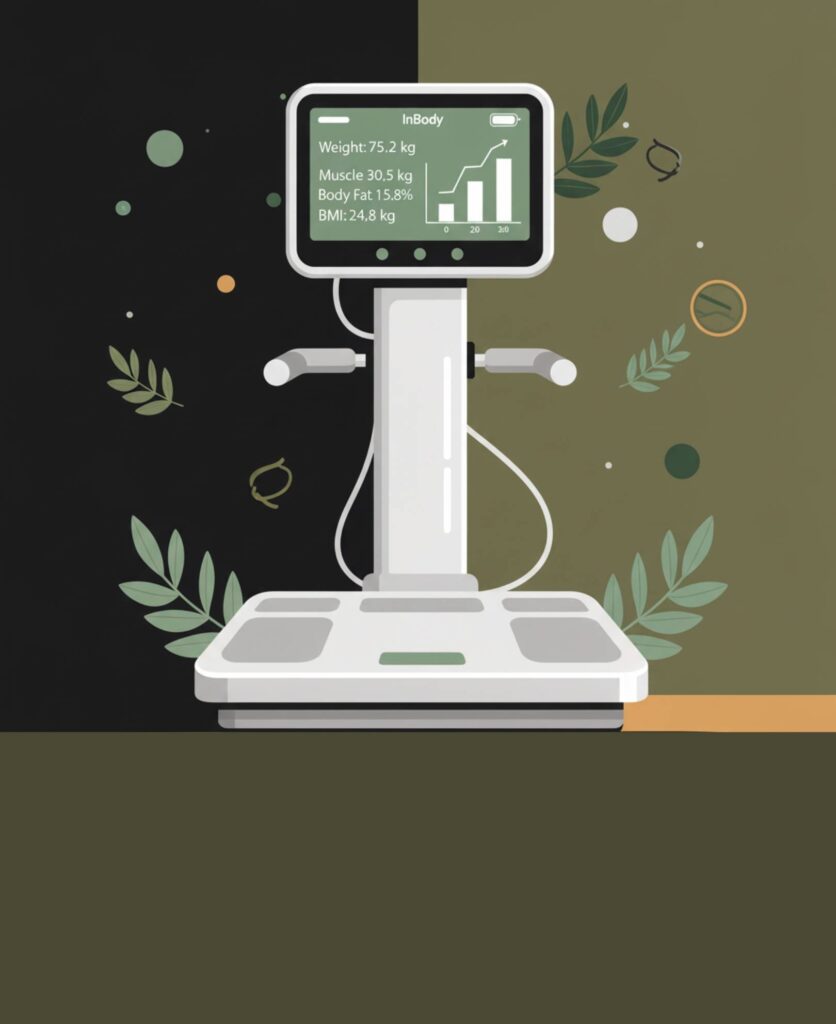
- Strength-focused body composition evaluation through Body Index Assessment (BIA) and personalized nutrition coaching
If you suspect low testosterone may be affecting your health, an evaluation at P3 can help identify the root cause and create a safe, sustainable plan.
Frequently Asked Questions
-
Is testosterone safe for women?
Yes, when prescribed at appropriate doses and properly monitored by a medical professional.
-
Can low testosterone cause weight gain?
Indirectly, yes—through loss of muscle mass, reduced metabolism, and lower energy levels.
-
Do women need testosterone after menopause?
Some women benefit significantly, especially for libido, energy, and muscle preservation.
-
Can lifestyle changes alone fix low testosterone?
Sometimes—especially when stress, under-eating, or overtraining are the primary causes.
-
Will testosterone make women bulky or masculine?
No. Physiologic dosing for women does not cause masculinization.
-
How long does it take to notice benefits?
Many women notice improvements in energy and libido within weeks, with strength and body composition changes over months.