Insulin Resistance: Symptoms, Testing, and Success Plan
If you’re eating “pretty well,” trying to exercise, and still struggling with stubborn weight gain, low energy, or intense cravings, insulin resistance may be the missing piece.
Insulin resistance is one of the most common, and most overlooked, drivers of weight gain, fatigue, and cardiometabolic disease. The good news? It’s measurable, reversible, and highly responsive to the right lifestyle and medical support.
Let’s break it down.
Signs of Insulin Resistance
Insulin is the hormone that helps move glucose from your bloodstream into your cells for energy. When cells stop responding well to insulin, your body compensates by making more insulin, which can lead to increased fat storage, inflammation, and energy crashes.
Common signs include:
- Difficulty losing weight (especially around the belly)
- Fatigue after meals
- Strong cravings for carbs or sugar
- Brain fog or afternoon energy crashes
- Hunger shortly after eating
- Elevated triglycerides or low HDL cholesterol
- Skin changes like acanthosis nigricans (darkened patches)
- Hormonal issues
- Sleep issues
Many people have insulin resistance for years before blood sugar levels ever reach the “pre-diabetes” or diabetes range.
Labs That Actually Detect It (A1c & Fasting Insulin)
Standard labs often miss early insulin resistance.
Key functional medicine markers include:
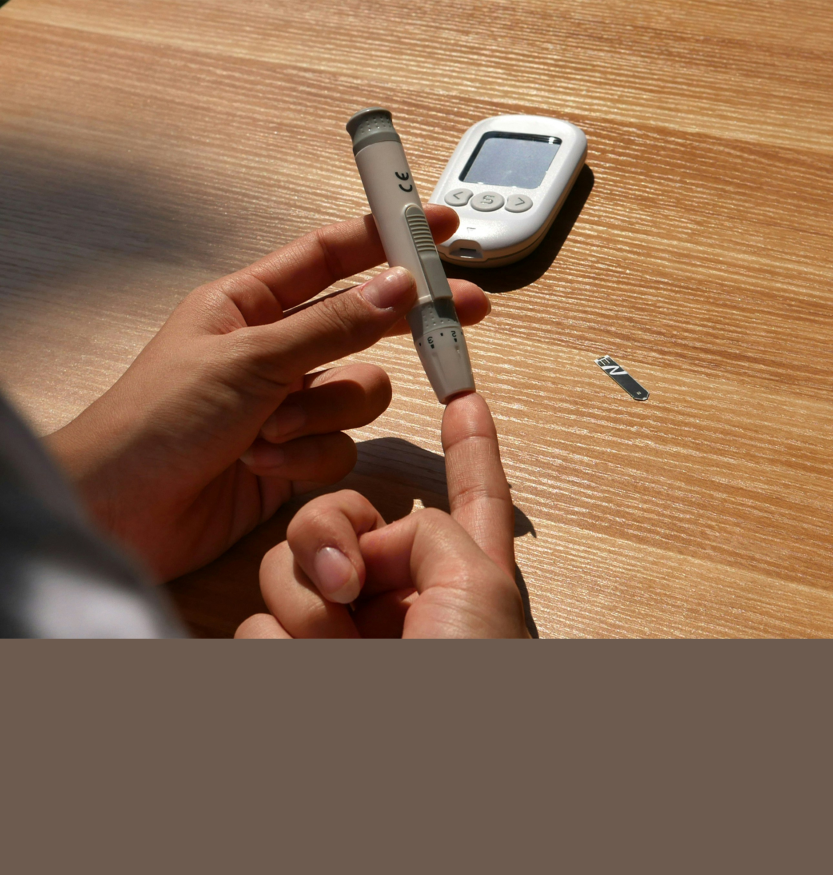
- Fasting insulin (often elevated long before glucose rises)
- Hemoglobin A1c (reflects average blood sugar over ~3 months)
- Fasting glucose
- Triglyceride-to-HDL ratio
Looking at these markers together gives a clearer picture of one’s metabolic health not just whether you’ve crossed a diagnostic threshold.
Nutrition: The Foundation of Reversal
Insulin resistance is not about eating less — it’s about eating differently.
Effective strategies include:
- Prioritizing protein at every meal
- Reducing refined carbs and sugar
- Building meals around fiber-rich vegetables
- Timing carbohydrates strategically
- Avoiding frequent snacking that keeps insulin elevated
Personalization matters. What works for one person may not work for another, especially with hormonal or stress-related factors involved.
Walking: The Most Underrated Tool
Daily walking improves insulin sensitivity and no gym membership required.
Benefits include:
- Lower post-meal blood sugar
- Reduced cortisol
- Improved fat metabolism
- Better mitochondrial function
- Improved mood
Even 10–15 minutes after meals can make a meaningful difference.
Strength Training: Muscle Is Metabolic Medicine
Muscle tissue is one of the most powerful tools for improving insulin sensitivity.
Strength training:
- Increases glucose uptake without insulin
- Raises resting metabolic rate
- Improves long-term blood sugar control
- Supports healthy aging
You don’t need extreme workouts. The key is consistency 2-4x per week of strength training to tolerance.
Medications & Supplements
In some cases, targeted support can accelerate progress.
Options may include:
- Metformin (when appropriate)
- Berberine
- Magnesium
- Omega-3 fatty acids
- Inositol (especially with PCOS)
- GLP medications like semaglutide and tirzepatide.
These are most effective when combined with lifestyle changes including nutrition and exercise.
Monitoring Progress
Reversal isn’t about perfection — it’s about trends and consistency.
We track:
- Improvements in insulin and A1c
- Body composition (not just scale weight), which can be measured.
- Energy, hunger, and cravings
- Cardiometabolic lab markers
Objective data + how you feel = sustainable success.
How We Support Insulin Resistance at Peak Performance & Prevention
The P3 approach focuses on:
- Comprehensive cardiometabolic lab testing
- Sustainable and individualized weight loss strategies
- Ongoing coaching and accountability
If you’ve been told your labs are “normal” but you don’t feel normal, insulin resistance may be the missing link. Talk to your doctor here at P3 for more information and a plan that is tailored just to you.